
Short answer
A space heater can share a home with pets and kids when the setup follows a few firm rules. Keep it at least 3 feet from anything that can burn, people included, and treat that circle as a kid-free zone. Use a solid, flat surface, plug straight into a wall outlet, and turn it off when you leave the room or go to bed.
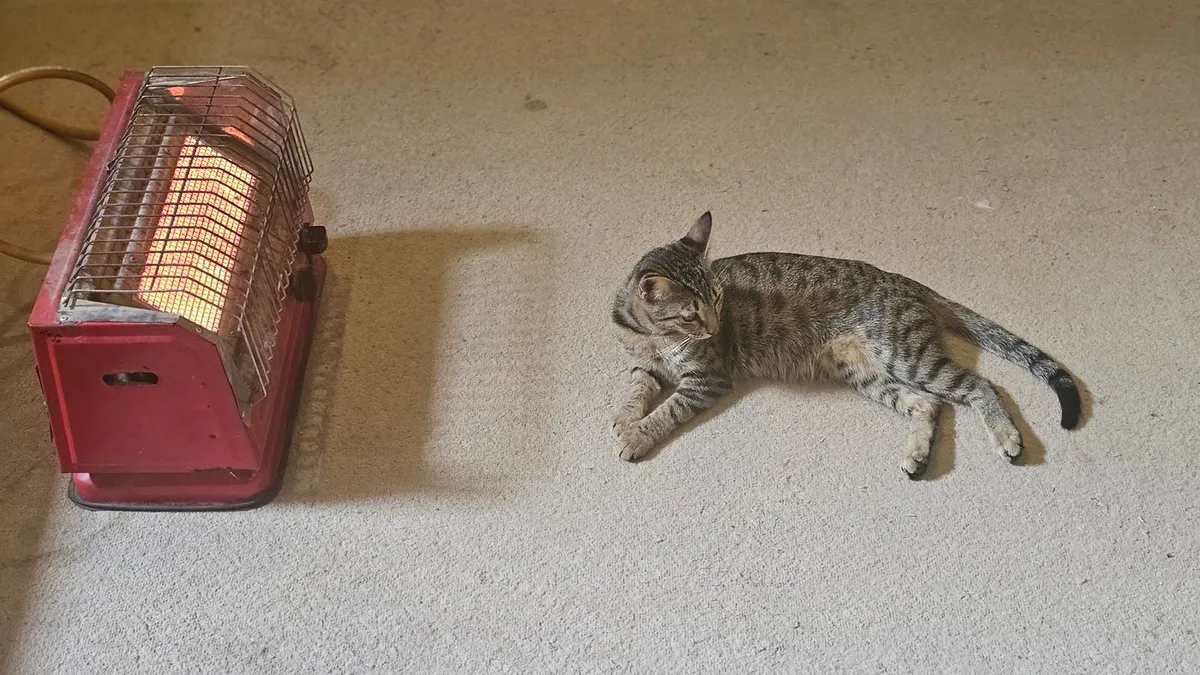
A heater is a small thing until a toddler crawls toward the warm glow or the cat claims the spot in front of it. Most of what keeps a house safe is decided before the heater is ever switched on: where it stands, what it plugs into and how much open floor surrounds it.
This guide turns the advice from two public sources, the U.S. Consumer Product Safety Commission (CPSC) and the National Fire Protection Association (NFPA), into a setup you can finish in ten minutes. Where a tip is my own idea rather than something those sources say, I label it.
How far should kids and pets stay from a space heater?
At least 3 feet. The NFPA’s heating safety tip sheet asks for a three-foot (one metre) “kid-free zone” around open fires and space heaters. Its electric portable heater checklist says to keep the heater at least 3 feet away from anything that can burn, including people.
The CPSC gives the same distance for things: keep all sides of a portable heater at least 3 feet from beds, clothes, curtains, papers, sofas and other items that can catch fire. It adds a short reminder to be mindful of children and pets around portable heaters.
One note of my own: the NFPA wording is about children, but a pet is just as curious and far less aware of the glowing element. I give the dog or cat the same 3-foot circle as the kids.
Where should the heater stand in a room with kids and pets?
On a stable, level surface, in a place where nobody will bump it. That is the CPSC advice almost word for word: place the heater on a stable, level surface, located where it will not be knocked over. The NFPA adds a solid, flat surface, out of the way of foot traffic and never blocking an exit.
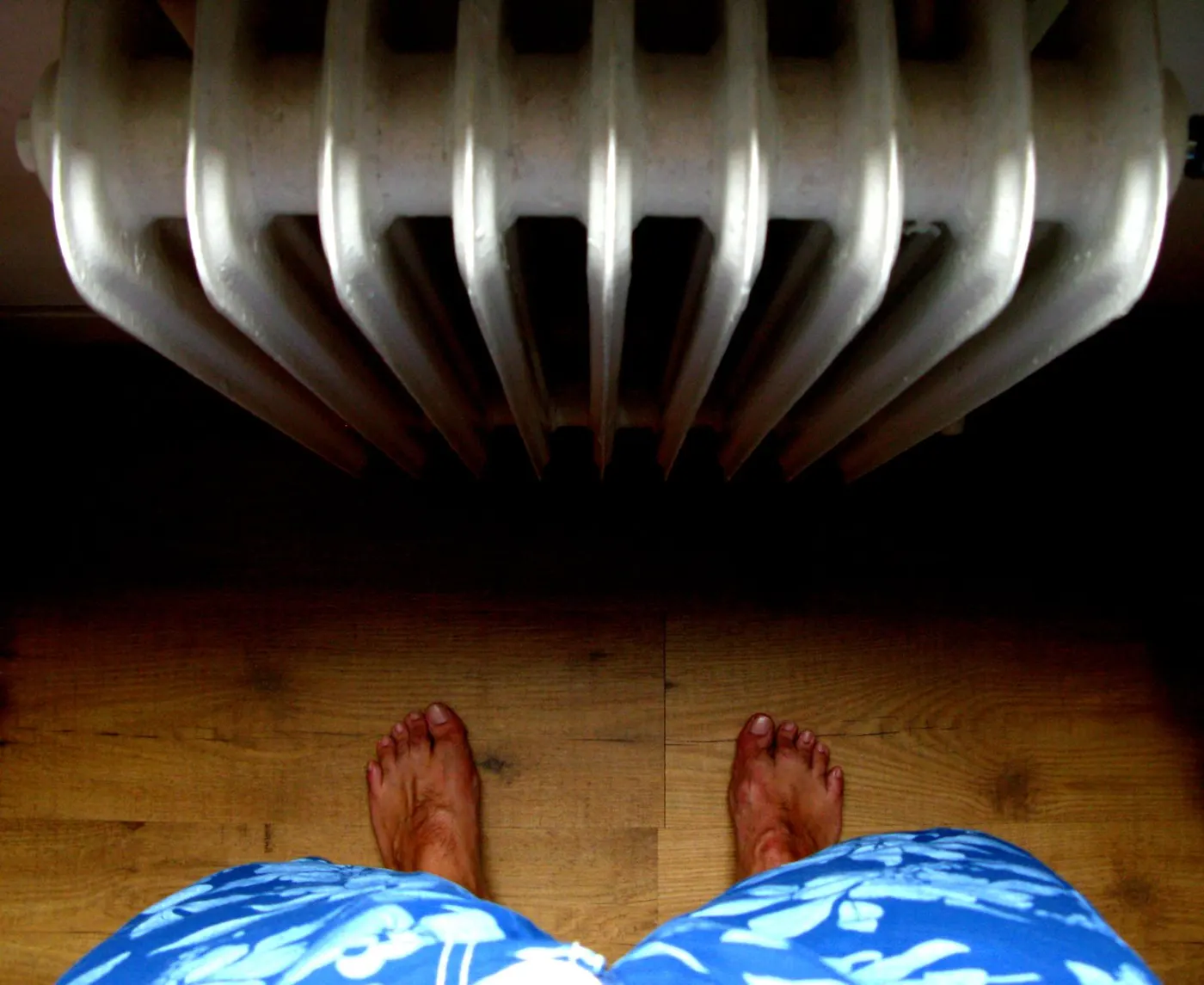
In practice that means a hard floor or a tile, a spot beside a wall rather than the middle of the play area, and clear space on every side. My placement guide covers the room-by-room version.
Two ideas of my own for making the zone visible to small people and four-legged ones: a freestanding baby or pet gate around the heater, or furniture arranged so the 3-foot circle is simply not a walkway. A line the household can see is easier to respect than a number.
What should you do about the cord and the outlet?
Plug the heater straight into a wall outlet and keep the cord in plain sight. The CPSC says to always use a wall outlet when using electric portable heaters, never a power strip, and never to run the heater’s cord under rugs or carpeting. The NFPA checklist says the same about extension cords: plug the heater directly into the wall outlet and never use an extension cord.
With kids and pets the cord also becomes something to trip on or to pull. My own approach is to choose the outlet first, then place the heater so the cord reaches it without crossing a walkway. If the nearest outlet is on the wrong wall, move the zone, not the cord. The bedroom heating guide has a section on exactly that situation.
Which heater features make a busy home easier?
Three features from the NFPA checklist matter most when the house is lively. Each one is a line on the product page, so you can check before you buy:
- The seal of a qualified testing laboratory. The NFPA says to purchase a heater with one.
- A thermostat and overheat protection. Both are on the NFPA list, and the thermostat also helps the heater stop on its own once the room is warm.
- Automatic shut-off if the heater tips over. The NFPA lists it, and it is the feature that matters on the day a ball or a dog hits the heater.
My complete heater guide explains how to match a heater to a room, and the small-room guide covers the wattage side.
When should the heater be switched off?
When you leave the room and when you go to bed. The NFPA says portable heaters should be turned off and unplugged when you leave the room or go to bed. The CPSC says never to leave portable heaters on while sleeping, and never to leave them running unattended in a confined space, which it ties to the risk of overheating.
For a house with pets and kids this is the rule that does the most work, because it covers the moments when nobody is watching the zone. A heater that is off and unplugged cannot be nudged, chewed on or climbed on in an empty room.
What about a child’s room or a pet’s sleeping spot?
The same rules apply, and the comfortable way to follow them is to warm the room first. Close the door and warm the room for 30 to 60 minutes before bed while you are in the house, then switch the heater off and unplug it when the child goes to sleep. The pre-warm routine in my space heater at night guide is built around that: a closed, warm room, then a duvet that suits it.
Pets that sleep on the floor deserve a thought too. If a pet bed sits anywhere near the spot you chose for the heater, move it outside the 3-foot circle before the heater goes on and keep it there all season. That one is my own habit, not a rule from the sources.
What is the 60-second setup check?
- Measure the circle. 3 feet in every direction, clear of curtains, bedding, furniture, toys and pet beds.
- Check the surface. Solid, flat and level, away from foot traffic, with no exit blocked.
- Check the plug. Straight into the wall. No power strip, no extension cord, no cord under a rug.
- Check the features. Testing-lab seal, thermostat and overheat protection, tip-over shut-off.
- Make the zone visible. A gate, a piece of furniture or a simple rule everyone knows.
- Plan the off switch. Off and unplugged when you leave the room or go to bed.
Do those six things and a small heater becomes an easy part of the house, for the kids, the dog and the cat alike.
Frequently asked questions
How far should a space heater be from kids and pets?
At least 3 feet. The NFPA recommends a three-foot (one metre) kid-free zone around space heaters and says to keep the heater at least 3 feet from anything that can burn, including people. The CPSC gives the same 3 feet for beds, clothes, curtains, papers and sofas. Giving pets the same circle is a simple extension.
Is it safe to leave a space heater on with pets at home?
The NFPA says portable heaters should be turned off and unplugged when you leave the room or go to bed, and the CPSC says never to leave them running unattended in a confined space. Treat the heater as something that runs only while you are in the room.
Can I plug a space heater into a power strip or extension cord?
No. The CPSC says electric portable heaters should always use a wall outlet, never a power strip, and the cord should never run under rugs or carpeting. The NFPA checklist adds that an extension cord should never be used with a space heater.
What features should a space heater have in a home with children?
From the NFPA checklist: the seal of a qualified testing laboratory, a thermostat with overheat protection and an automatic shut-off if the heater tips over. Check each one on the product page before buying.
Where is the best place for a heater when kids and pets are around?
On a stable, level, solid surface where it will not be knocked over, out of foot traffic and not blocking an exit, with 3 feet of clear space on every side. A hard floor beside a wall usually works, and a gate or furniture can mark the kid-free zone.
Should I use a space heater in a child's bedroom at night?
Warm the room before bedtime and switch the heater off and unplug it when the child goes to bed, as the NFPA and CPSC advise. My space heater at night guide has the pre-warm routine step by step.