

Short answer
A ceramic heater warms the air in a room; an infrared heater warms you and the objects in front of it. At the same wattage they cost exactly the same to run. Pick ceramic for a closed bedroom or office you heat for hours. Pick infrared when the space is drafty or open, or when you sit in one spot for an hour or two. Infrared is only worth a higher price in those cases. Everywhere else, a plain thermostat-controlled ceramic wins on price and on warming the whole room.
Heads-up: some product links below are affiliate links. If you buy through one, Vitherma may earn a small commission at no cost to you — and I only link to gear I'd point a friend to.
Ceramic versus infrared is the most confusing comparison on any heater shelf, because the box on each one says it is the efficient choice. Neither is. Both turn every watt they draw into heat, and the difference is where that heat goes once it leaves the heater. That one difference decides which of the two makes sense for your room, and it is the same difference I sketch in the types section of the pillar guide. This page takes it one step further and answers the practical question: for the space you actually have, which one should you buy?
What is the real difference between ceramic and infrared heaters?
It comes down to two ways of moving heat.
A ceramic heater heats the air. Inside is a ceramic element, usually a PTC (positive temperature coefficient) plate, which raises its own electrical resistance as it gets hotter, so it limits how hot the element itself can get. A small fan pushes room air across that hot plate and blows the warmed air back out. The warm air mixes with the rest of the room and, over a few minutes, raises the temperature of the whole space. This is convection.
An infrared heater heats what it points at. Its element, a quartz tube, a halogen lamp or a heated panel, gets hot and gives off infrared radiation. That is the same kind of heat you feel from the sun on your face or from a fire across the room. It travels in straight lines and warms the first solid thing it lands on: your skin, the desk, the wall. The air in between barely warms at all.
| Ceramic (fan-forced) | Infrared (radiant) | |
|---|---|---|
| What it warms | The air in the room | People and objects in its line of sight |
| How soon you feel it | A few minutes, in a closed room | About a minute, but only where it points |
| Drafty or open space | Warm air drifts away | Still warms you |
| Closed bedroom or office | Best fit | Works, but warms surfaces more than the room |
| Noise | Fan hum | Often silent, check the listing |
| Running cost at the same watts | Same | Same |
| Typical price | Usually lower | Usually higher |
Is infrared more energy-efficient than ceramic?
No, not per watt. Every plug-in electric heater converts essentially all of its electricity into heat, so a 1,500W ceramic and a 1,500W infrared unit both cost the same per hour. At the 18 cents per kWh I use in the cost breakdown, taken from the U.S. Energy Information Administration's residential rate table, that is about $0.27 an hour at full power for either one. If a box says its infrared technology uses half the energy of a ceramic heater, it is comparing itself to something other than another electric heater.
Where infrared can save money is in how you use it. Because it warms you directly, you can feel comfortable sooner and, in some situations, at a lower thermostat setting for the rest of the house. It also works when you only need warmth in one spot. Those savings come from heating a smaller thing, not from a smaller wattage. The reverse is also true: put an infrared heater in a closed bedroom where you want the whole room warm, and you are paying to warm surfaces while the air stays cool.
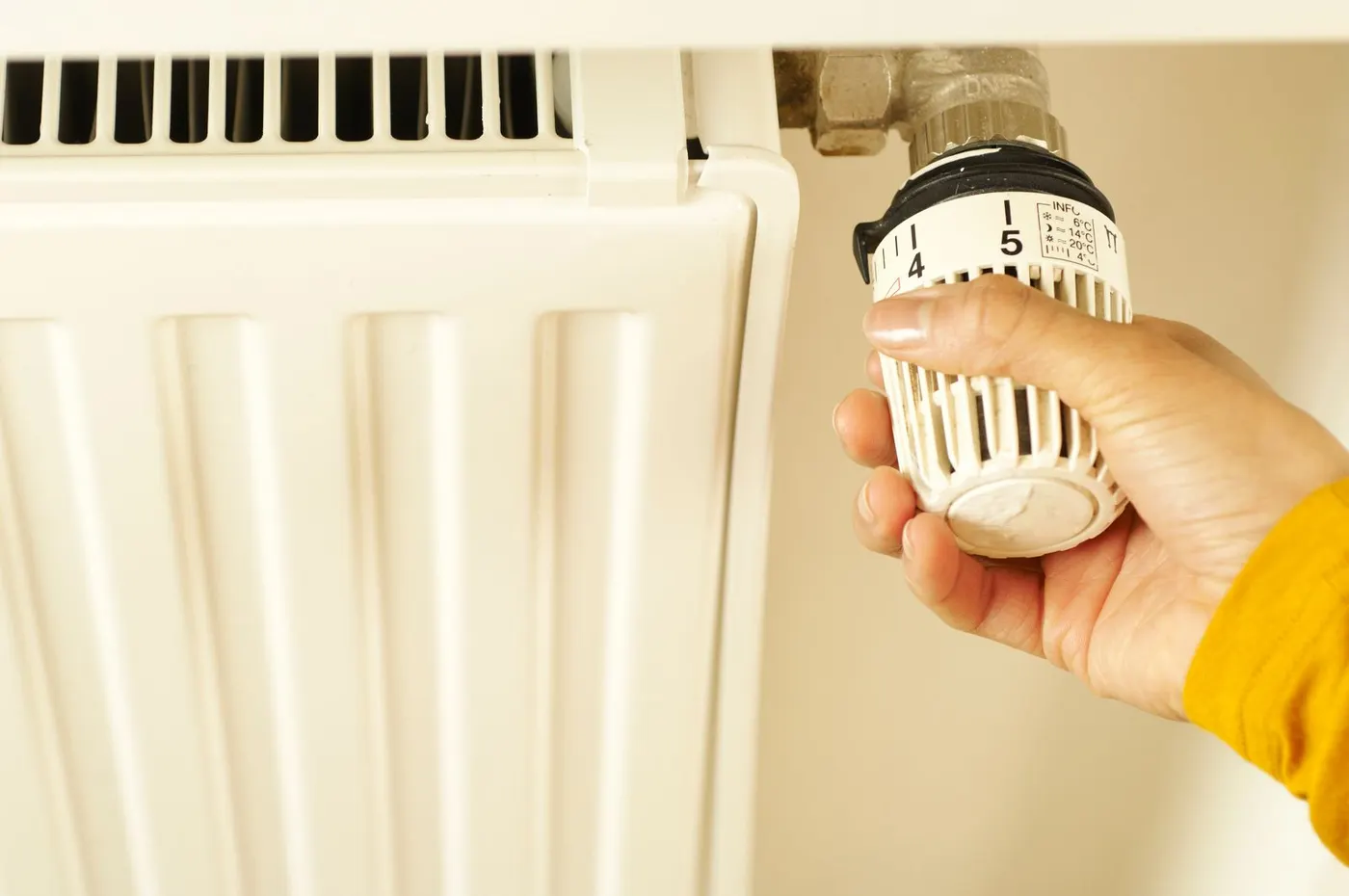
Which one is better for a drafty or open space?
Infrared. This is the situation where the two types behave most differently. A ceramic heater warms the air, and air moves. In a garage with gaps around the door, a workshop, or a living room that opens into a hall or kitchen, that warm air drifts away as fast as the heater makes it. You end up running a heater at full power to warm a space that never holds the heat.
Infrared skips that problem. Its heat lands on you and your work area directly, so a draft cannot steal it on the way. This is why garages, workshops and open living areas are the places I would look at infrared first, and it is the same reasoning the pillar guide uses. The catch is the line of sight: the moment you step out of the beam, you feel the cold again, because the room itself never warmed.
Which one is better for a closed bedroom or home office?
Ceramic, or an oil-filled radiator. In a closed room with no drafts, warm air stays where you put it, so warming the air is the efficient thing to do. A thermostat-controlled ceramic heater brings a closed room up to temperature in a few minutes and then cycles off, and the whole space stays comfortable, not just one spot. That is why a ceramic heater is the sensible default for a bedroom or an office you sit in for hours.
If you are sizing one for a room under 200 sq ft, the watts-by-room-size table in the small-room heater guide works for ceramic: about 10 watts per square foot of well-insulated room. The heater I reviewed in full for a room of this kind is the Heatoor, a PTC ceramic room heater.
Which one is quieter?
Infrared is often quieter, but not always. A ceramic heater has a fan, so it hums. Many infrared panels have no fan at all and run silently, but some infrared models add a fan. The listing should say whether there is a fan, and it is worth checking before you buy for a bedroom. If silence matters most, an oil-filled radiator beats both, as I explain in the noise section of the pillar guide.
Which one is safer around kids, pets and furniture?
Neither is safe by default, and the rules are the same for both. The U.S. Consumer Product Safety Commission advises keeping portable heaters at least three feet from drapes, furniture, bedding and other combustible materials, plugging electric space heaters directly into a wall outlet, never into an extension cord or power strip, and turning heaters off when you sleep. It also estimates that portable heaters are involved in about 1,600 fires, 70 deaths and 150 injuries a year, based on 2020 to 2022 figures.
Where they differ is in where the risk sits. A ceramic heater blows warm air out of a grill, so the risk is a fabric or a blanket blocking the intake or lying against the housing. An infrared heater throws its heat forward in a beam, and the emitting face of many models runs very hot by design, so the clearance that matters most is the space in front of it. Treat that front zone as off-limits to curtains, bedding, paper, pets and small hands. On either type, look for tip-over shutoff and overheat shutoff, the two features I would not do without, and the same four features I list in the overnight-safety guide.
When is infrared worth the higher price?
Infrared units usually cost more than a basic ceramic heater, and the extra money pays off in a short list of cases:
- A drafty space you use for an hour or two, such as a garage or a workshop, where warming the air is a losing game.
- An open room, like a living area that runs into a hall or kitchen, where you only need to warm the spot you sit in.
- A desk or a workbench, where you stay in one place and the heater can point at you.
- A space where a fan would bother you, if you have found a fanless infrared panel and confirmed it on the listing.
Outside those cases, I would not pay the premium. In a closed bedroom or home office, a basic thermostat-controlled ceramic does the job for less, and warms the whole room instead of the corner it faces.
When does a plain ceramic heater win outright?
Whenever the space is closed, you want the whole room warm, and you will be there for hours: a bedroom before you go to sleep, a home office, a spare room with the door shut. It also wins on price and on how easy it is to find with a real thermostat, a timer and the safety features on the list above.
At the small end, a personal ceramic heater does the same warm-the-air job for a desk zone, a closet or a bathroom shelf. The one I review on this site is the CosyJet: 500W, a built-in thermostat, a 1 to 9 hour timer and a body of 442 g. It is a personal heater, not a room heater, so it belongs in a space of about 60 sq ft or less.
How do I choose in 60 seconds?
Answer three questions:
- Is the space closed and free of drafts? If yes, choose a thermostat-controlled ceramic or an oil-filled radiator. If it is drafty or open, look at infrared.
- Will you stay in one spot? If yes, infrared or a personal ceramic heater pointed at you does the job with fewer watts. If you move around the room, you want the air warm.
- How long will it run? For a few hours in one spot, infrared. For a bedroom or office that has to stay comfortable, ceramic.
Then check the same things on either type: the wattage printed on the product page, a real thermostat, a timer, tip-over and overheat shutoff, and one appliance on the circuit. The U.S. Department of Energy's home heating guide (PDF) describes space heaters as supplemental heat for a specific room, which is the right way to think about both types: they are tools for one space, not a replacement for heating the house. The 15-amp circuit math applies to both, because 1,500W is 12.5 amps whichever type you buy.
Frequently asked questions
Is an infrared heater better than a ceramic heater?
Neither is better in general. An infrared heater warms you and the objects in front of it, so it wins in drafty, open or short-stay spaces. A ceramic heater warms the air, so it wins in a closed room you heat for hours. At the same wattage they cost the same to run.
Do infrared heaters use less electricity than ceramic heaters?
No. Every electric heater turns essentially all the electricity it draws into heat, so a 1,500W infrared heater and a 1,500W ceramic heater both cost the same per hour. Infrared can let you feel warm sooner or at a lower thermostat setting when you sit in its line of sight, but that is a change in how you use it, not a lower wattage.
Can an infrared heater heat a whole room?
Not well. It warms whatever its heat lands on, such as you, the desk and the wall, and only warms the air indirectly. In a closed room that you want evenly warm for hours, a ceramic or oil-filled heater does that job better.
Is a ceramic heater safe to leave on overnight?
The U.S. Consumer Product Safety Commission advises turning portable heaters off when you sleep, and that applies to ceramic and infrared alike. My overnight-safety guide covers the four safety features and the placement rules that cut the risk if you decide to run one anyway.
Which heater is better for a garage or workshop?
Usually infrared. Garages and workshops tend to be drafty and poorly sealed, and warm air from a ceramic heater drifts away before it warms the space. An infrared heater warms you and your work area directly, as long as you stay in its line of sight and keep the clearance the manual asks for.
How many watts do I need for a ceramic or infrared heater?
Plan on about 10 watts per square foot of a well-insulated room for a ceramic heater that warms the air. An infrared heater used at a desk or a workbench needs less, because you only need to warm one spot, but the circuit limit is the same: 1,500W is already 12.5 amps on a 15-amp circuit, so keep other appliances off that circuit.