
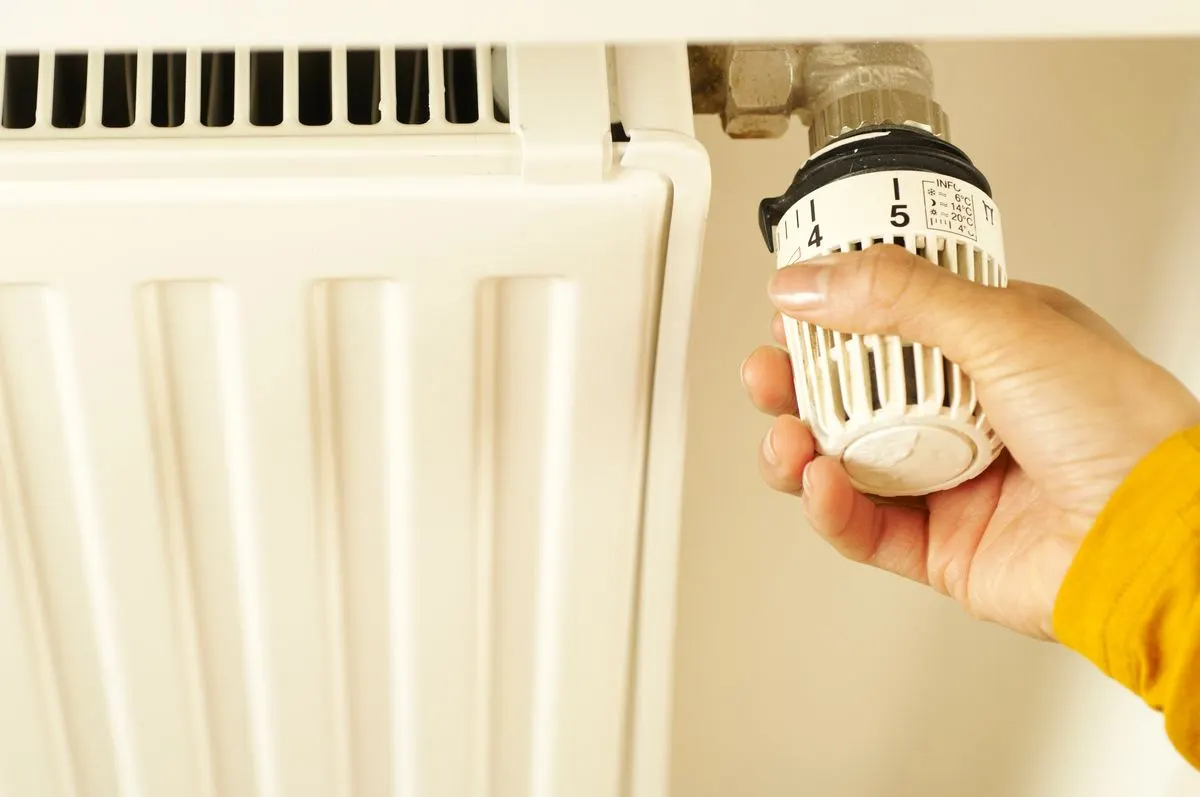
Short answer
The safest answer is no: the U.S. Consumer Product Safety Commission advises turning portable heaters off when you sleep. If you decide to run one anyway, four specific safety features (tip-over shutoff, overheat shutoff, cool-touch housing, a real thermostat) and the placement rules below cut the risk a lot, but nothing brings it to zero. The lowest-risk routine is to pre-warm the room and switch the heater off before you fall asleep.
Heads-up: some product links below are affiliate links. If you buy through one, Vitherma may earn a small commission at no cost to you — and I only link to gear I'd point a friend to.
The first time I actually asked this question was the winter our bedroom radiator gave up in February. We bought a cheap ceramic heater, and my husband unplugged it every single night for a week because he was convinced we'd wake up to smoke. He wasn't wrong to worry — he was just worrying about the wrong heater. This is what I wish I'd known then, and it's the piece I'd hand anyone who read the pillar guide and is now down to the "wait, but is it actually safe" question.
Why does everyone say space heaters are dangerous?
Because they are — the wrong ones, or the right ones used the wrong way. The U.S. National Fire Protection Association tracks this every year, and heating equipment is consistently one of the top causes of home fires. In their 2016–2020 data, home heating equipment was involved in an estimated 44,210 fires per year, and portable and stationary space heaters — even though they're a small share of all heating — are responsible for the majority of the deaths.
Almost every one of those fires traces back to the same handful of mistakes: heater too close to a bed, curtain or couch; heater on a rug or carpet; heater plugged into an extension cord; heater with no automatic shutoff. Fix those four things and the risk drops a lot, but a heater is still a heater, not a table lamp.
Which four safety features actually matter?
Most modern portable heaters advertise a long list of "safety features." Only four make a real difference for overnight use:
- Tip-over shutoff. A switch on the base cuts power the moment the unit is knocked over — by a pet, a robot vacuum, a foot in the dark. Every heater in a bedroom needs this.
- Overheat shutoff. A thermal sensor inside the housing kills the power if the internal temperature exceeds a safe threshold. This is what saves you when a blanket falls against the grill.
- Cool-touch housing. The plastic or metal outer shell stays at a temperature that won't burn skin. Test it in the store: put your palm on the side after five minutes at high. If you have to pull it away, don't buy it.
- A real thermostat, not just high/medium/low. A thermostat cycles the element on and off around a target temperature. "High" and "low" bare settings just run continuously — the element keeps producing heat even when the room is already too warm. That's how surfaces get hot enough to ignite something.
Any modern heater from a real brand in the U.S., U.K. or E.U. has all four. The cheap $19 unit at the discount aisle usually has one or two. Spend the extra $20.
What are the 7 placement rules that actually matter?
These are the ones the fire departments and insurance loss reports keep repeating. None of them are hard, but every one gets ignored constantly. The U.S. Consumer Product Safety Commission spells most of them out in their home-safety guides; every winter their news feed adds another recall for a heater that skipped one.
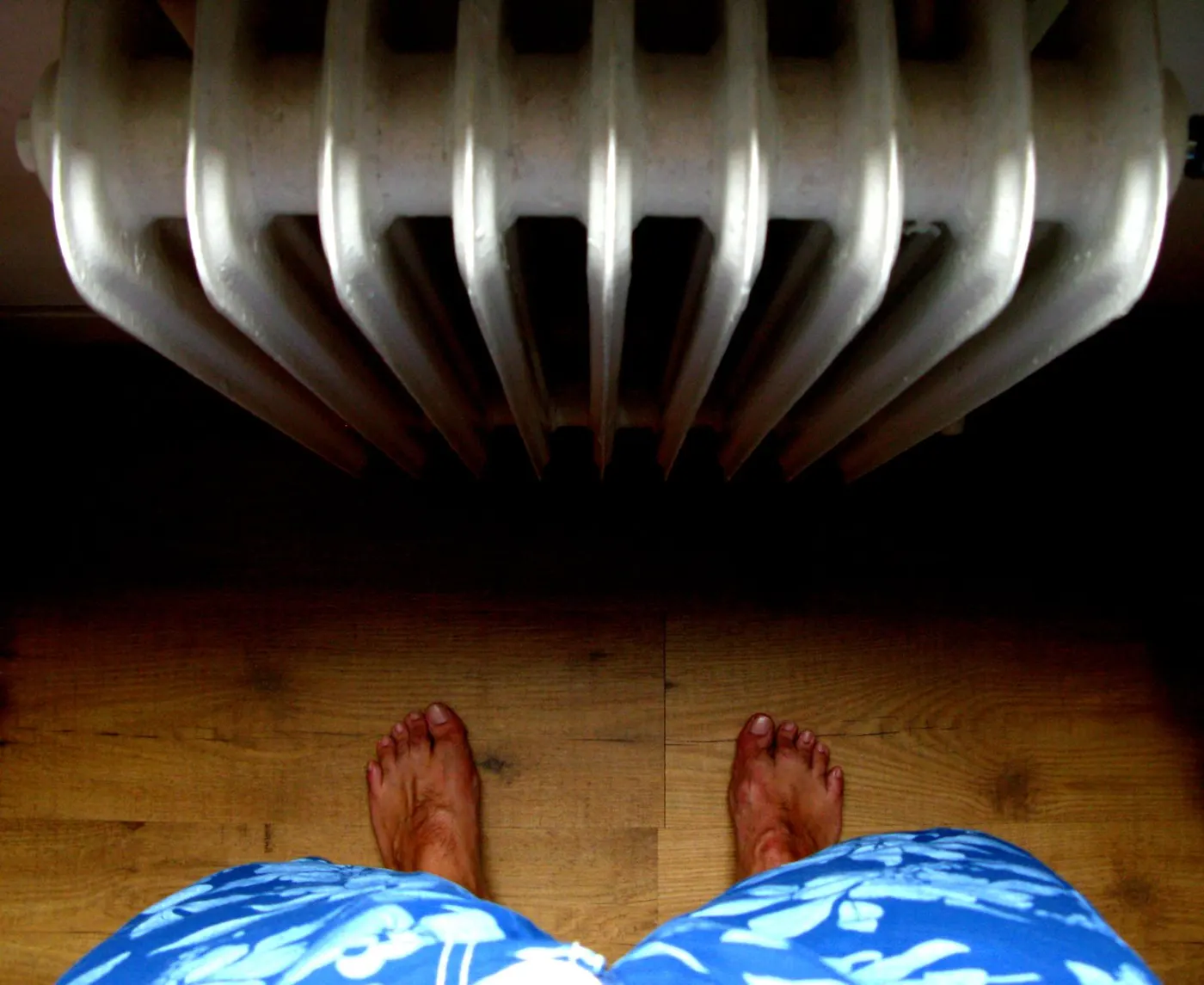
- Three feet clear on every side. No bed, no couch, no curtain, no laundry basket, no chair inside a three-foot radius. This is the single most important rule.
- Hard floor only. Not on carpet, not on a rug, not on a pillow. The base of a heater needs to dissipate heat downward — a soft surface traps it, and long fibers can lift into the grill.
- Plugged directly into the wall. No extension cord. No power strip. No smart plug. Portable heaters draw close to the maximum a standard 120 V outlet can deliver, and extension cords are the number-one cause of heater fires.
- Its own circuit if possible. Don't run a 1500 W heater on the same outlet as a hair dryer, a microwave, or another heater. If the wall plate feels warm, unplug and rearrange.
- Not in the bathroom unless it's rated for it. Water and portable heaters that aren't specifically bathroom-rated do not mix. A GFCI outlet is required by code, and even then, look for a "damp location" rating.
- Nothing on top, ever. Not to dry socks, not to warm a towel, not "just for a minute." The vents on top are how the housing avoids overheating.
- Away from where anyone walks in the dark. The lowest-tech safety fix is the best one: put the heater somewhere no one is going to trip over it going to the bathroom at 3 a.m.
Which type of heater is safest in a bedroom?
By construction, oil-filled radiators are the safest choice for a bedroom. There's no exposed element, no fan, no glowing coil — just a sealed metal radiator with warm oil circulating inside. The surface stays warm rather than hot, and even if the unit tips (which triggers its shutoff anyway), there's nothing to ignite.
A modern ceramic with the four features above is close behind, and it warms the room faster. Infrared heaters are safe when they're pointed away from soft surfaces, but the front grill gets genuinely hot — I don't leave one running while asleep. For the full sizing framework of how to match a heater type to a room, the types breakdown in the pillar guide is where I'd start.
The one type I'd never leave on overnight: an old fan-forced heater with an exposed coil. If yours has visible orange wire glowing inside a wire cage, retire it.

Which heater types are riskiest to leave on overnight?
Not all "space heaters" are the same category of risk. When the fire departments and consumer safety agencies count deaths, three types show up in a wildly disproportionate share.
Old fan-forced heaters with an exposed metal coil. The classic sub-$30 unit with the visible orange glow behind a bent-wire cage. Even when new, the coil runs at bright red heat — anything falling against the cage catches. Older models have no tip-over shutoff at all. If you own one and it's more than five years old, it should not be running overnight. Retire it, don't repair it.
Portable propane or kerosene heaters used indoors. These are built for outdoor use, garages, or well-ventilated workshops. In a closed bedroom they produce carbon monoxide, and the ignition source is an open flame. The CDC lists unvented combustion heaters as a leading cause of winter CO poisoning deaths every year. Never in a bedroom. Never with the door closed. If you rent a place with one of these already installed and no external vent, don't sleep on the same floor with it running.
Cheap "instant" ceramic heaters from online marketplaces. The ones that arrive next-day for under $25, with no brand you recognize. A UL or ETL mark in a listing photo is easy to fake, and you can't see the overheat sensor or the plug's wire gauge from a product page. Spend the extra fifteen dollars.
The generally safe category — and it's a wide category — is a modern ceramic or oil-filled unit from a brand a hardware store would stock, with a certification you can actually look up. For a plug-in room heater I have reviewed in full, see my Heatoor review.
What do fire departments actually recommend for overnight heater use?
I've been through the education pages from three major fire-safety authorities — the NFPA, the U.S. Fire Administration, and my own state fire marshal — and their advice converges on the same short list. Here it is in plain language.
Turn it off before you sleep. This is the Consumer Product Safety Commission's advice ("turn off heaters when sleeping"), and fire-safety groups say the same. If you have a well-heated house and only need the space heater to take the chill off while you're getting ready for bed, this is the right answer. A heater running while everyone is asleep is the scenario where a small problem becomes a fire before anyone notices.
If you decide to leave it on anyway, use a modern unit with automatic shutoffs. A heater with a lab safety listing, a tip-over switch, an overheat sensor and a working thermostat is a fundamentally different appliance from the exposed-coil units that started fires in the 1990s. That lowers the risk. It does not make sleeping next to it risk-free.
Test the smoke alarm on the same floor as the bedroom. Every one of the safety guides puts this near the top: a working smoke alarm is what turns a heater fire into a scare instead of a tragedy.
Add a carbon monoxide alarm if there's any combustion appliance in the house. Electric heaters don't produce CO — but if you have gas heat, a gas water heater, an attached garage, or a fireplace, put a CO alarm in the bedroom too. Batteries changed twice a year, same weekend you change the smoke-alarm batteries.
Keep the extinguisher accessible. The NFPA specifically recommends a small ABC-rated extinguisher on the same floor as any room where you run a heater. Under $30. Under the kitchen sink is fine. Most people don't have one; almost every home fire spreads slower than a household extinguisher can knock down.
What if I'm renting and can't rewire the outlets?
This came up in every reader question I got last winter. Renters get told "don't use extension cords" and then look at a bedroom with a single outlet on the wrong wall.
The honest answer: talk to the landlord about adding an outlet, and in the meantime, keep the heater on the wall where the outlet already is — even if that means rearranging the bed. Yes, rearranging furniture is annoying. It's still cheaper than a fire, and every reader who has actually done it emails me back saying the room feels better anyway.
Two things renters can do without permission: swap the heater for a low-watt oil-filled model (some pull only 700 W, well under any outlet's limit, and heat a small bedroom slowly-but-steadily overnight), and add a plug-in temperature-and-current monitor that beeps if the outlet gets hot. Both cost less than $40 combined. If the outlet ever does get warm to the touch during a heater run, unplug immediately and call an electrician — that's a wiring problem, not a heater problem.
One last thing: check the smoke alarm this week
Every fire safety expert says the same thing, and it's tedious, but here it is anyway: a working smoke alarm on the same floor as the bedroom is what turns a small heater accident into a bad scare instead of a tragedy. Press the test button tonight. If it doesn't chirp, that's your project this weekend.
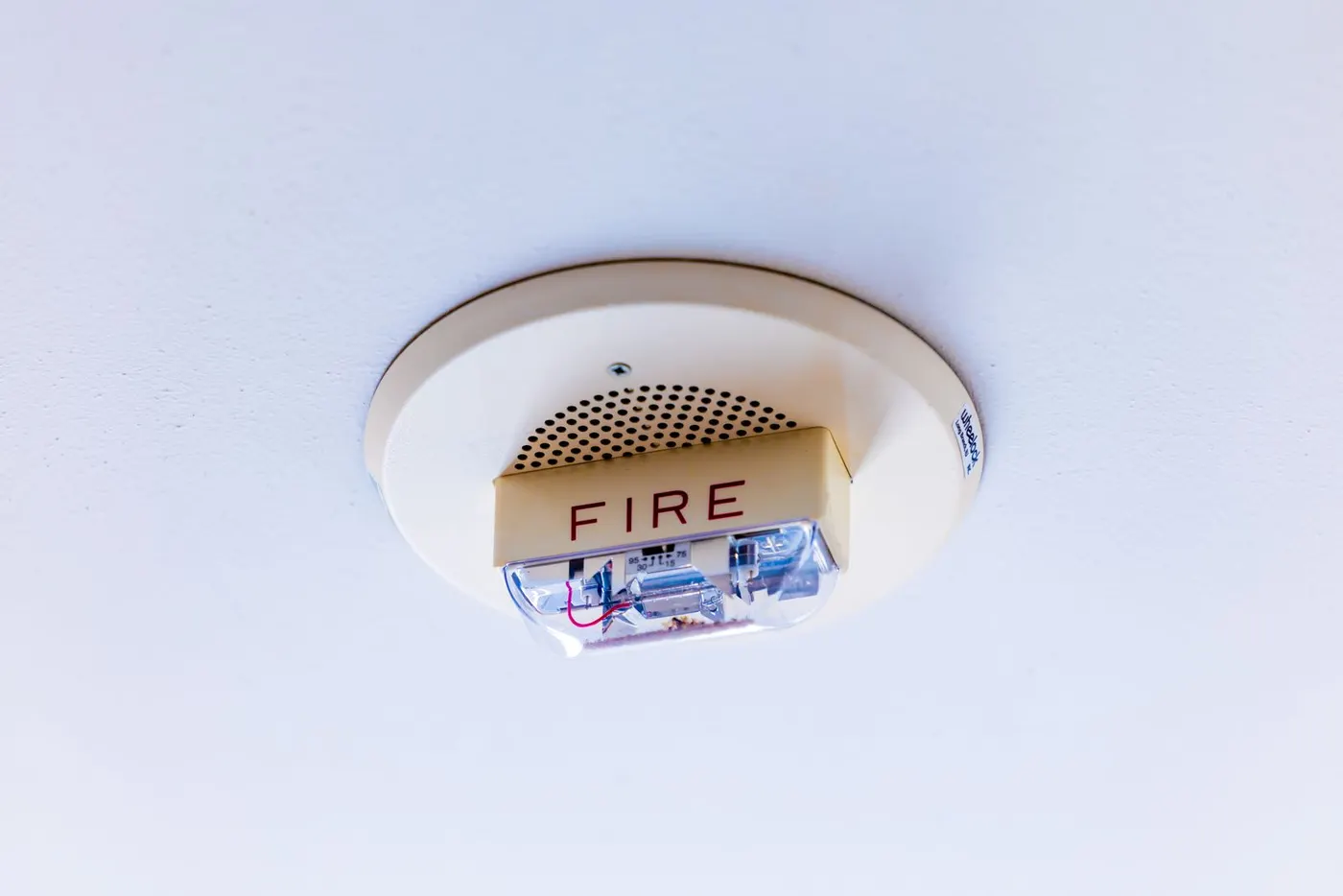
Combine that with the four features, the seven rules, and a heater that fits the room (see the pillar guide for the sizing framework, and the cooler-vs-AC piece for the summer counterpart), and you have cut the risk about as far as it goes. Even so, the safest routine is to pre-warm the room and switch the heater off before you sleep. A heater left running overnight is a risk you are choosing to accept, so make that choice with a working smoke alarm and the three-foot rule in place.
Frequently asked questions
Can I leave a modern space heater on all night?
The U.S. Consumer Product Safety Commission advises turning portable heaters off when you sleep. If you decide to run one anyway, use a heater with tip-over shutoff, overheat shutoff, a cool-touch housing and a real thermostat, place it at least three feet from anything soft, on a hard floor, plugged directly into an outlet. Those steps reduce the risk; they do not remove it.
What kind of space heater is safest for a bedroom?
An oil-filled radiator. No fan noise, no exposed element, warm-not-hot surface. A modern ceramic with the four safety features above is a close second and heats faster.
Can a space heater catch fire on carpet?
It can. Carpet insulates the base of the heater, letting it overheat, and long fibers can lift and touch the grill. Always place a portable heater on a hard floor or a fire-rated mat.
Is it OK to plug a space heater into an extension cord?
No. Extension cords are the single most common cause of space heater fires. Portable heaters draw close to the full capacity of a household outlet and must be plugged directly into the wall.
How long can I run a portable heater continuously?
A modern heater with an overheat shutoff is built to run for hours at a time, and what limits it in practice is your electric bill. The safety advice is about when to run it, not how long: turn it off when you leave the room and when you go to sleep.