
Short answer
One room stays colder because it loses more heat than it receives. The usual causes are drafts around windows and doors, blocked vents, leaky or disconnected ducts, a closed door that traps the air, a cold space under or beside the room, and thin insulation. Start with the free fixes below, then add a small plug-in heater for whatever the house still does not cover.
This article may contain affiliate links, always to the official websites of the products mentioned. If you buy through one of these links, you support my work at no additional cost to you. This never influences what I write.
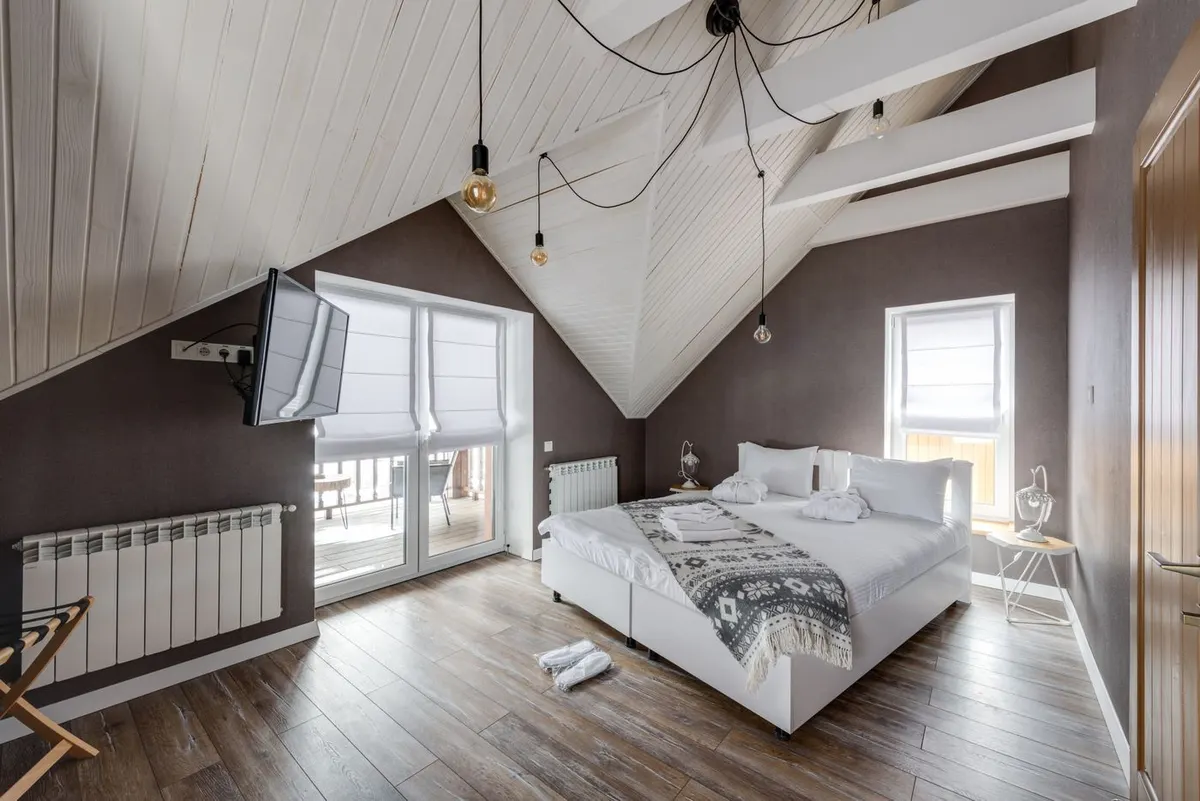
You turn the heating up and the living room is perfect, but the back bedroom, the home office or the room over the garage never quite catches up. That is not your imagination, and it is rarely one big problem. It is usually one or two small ones, and most of them are cheap to fix. This guide goes through seven causes in the order they are easiest to check, using the U.S. Department of Energy (DOE) guidance, and ends with what to do when the house still leaves one room behind.
Why does one room stay colder than the rest of the house?
Because a room is always doing two things at once: receiving heat and losing it. A cold room is one where the losses (through gaps, glass, walls and floors) are bigger than the supply (from vents, radiators or the next room). So the fix is either to stop the losses, to get more warm air in, or both. The seven causes below are sorted that way, and the first four cost almost nothing.
Cause 1: Are drafts letting the warmth out?
Often, and it is the first thing to rule out. The DOE calls air leaks one of the greatest sources of energy loss in a home and says sealing them can save 10 to 20 percent on heating and cooling bills. The gaps hide around windows, doors, electrical outlets and switches, light fixtures, plumbing, and the attic hatch.
The DOE's own test is simple: on a windy day, hold a lit incense stick or a smoke pen next to a window, door or outlet. If the smoke stream travels sideways, there is a leak. The fixes are cheap: weatherstrip doors and windows, caulk and seal the cracks, and install foam gaskets behind outlet and switch plates on walls. My winter checklist has the full draft list.
Cause 2: Is something blocking the vent or radiator?
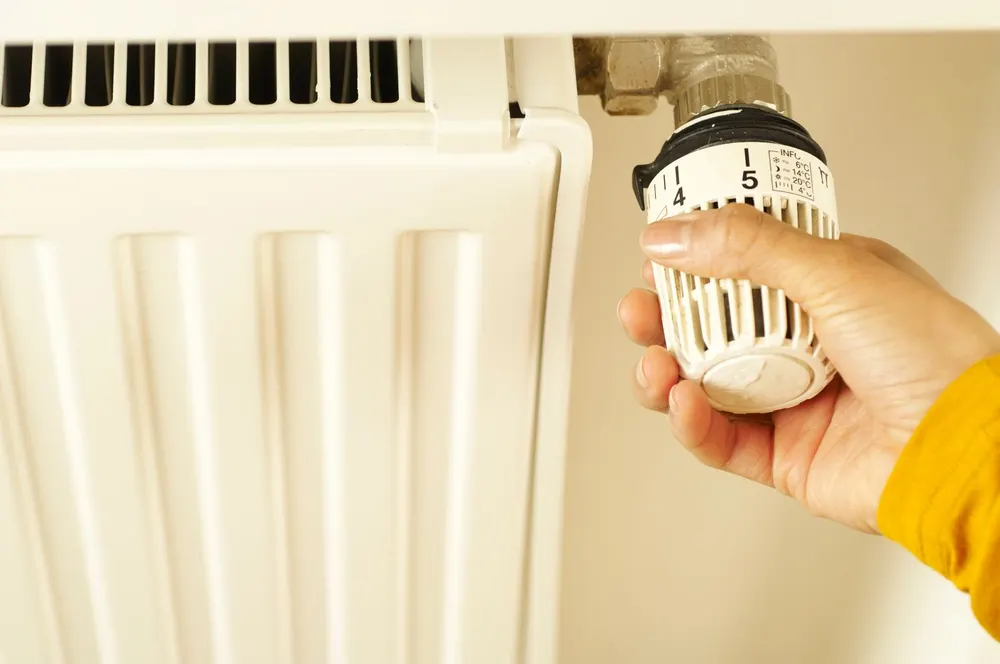
A sofa, a bed, a rug or a long curtain in front of a vent or radiator keeps the warmth from entering the room at all. The DOE tells homeowners to keep warm-air registers, baseboard heaters and radiators clean and not blocked by furniture, carpeting or drapes. It is a two-minute check: stand in the cold room and look at every vent and radiator. If one is covered, pull the furniture a hand's width away, or move it.
Cause 3: Are the ducts leaking, crushed or disconnected?
If your house has forced-air heating, the warm air travels through ducts, and ducts can fail quietly. The DOE says crushed or disconnected ductwork can restrict the flow so that warmed air never reaches its destination, and that comfort complaints can often be fixed by correcting blocked registers, stuck dampers, or disconnected or damaged ducts. Ducts that leak into an attic or crawl space can add hundreds of dollars a year to heating and cooling bills, and the DOE calls sealing and insulating them usually very cost effective.
A contractor can test the duct leakage and the airflow at each register, which is the reliable way to know where the warm air is going. The DOE also notes that duct seams should be sealed with mastic, because cloth-backed duct tape can dry out and fail within months.
Cause 4: Is a closed door trapping the air?
It can, and it surprises people. With forced-air heating, the air that goes into a room has to find a way back to the furnace. The DOE calls a lack of adequate return airflow a common problem in existing duct systems, and for rooms that are often closed it lists three fixes: an individual return duct in the room, a transfer grille in the door or wall, or a jump duct in the ceiling that connects the room to an open area. It adds that a gap under the door may not provide adequate airflow.
A quick test: if the room feels warmer with the door open for ten minutes, the return path is part of the story.
Cause 5: Is there a cold space under, over or beside the room?
A room over an unheated garage, above a vented crawl space, in a finished attic, or next to a garage wall loses heat through the floor, the roof or the shared wall. The DOE's insulation guide lists exactly these places as worth insulating: floors above cold spaces such as vented crawl spaces and unheated garages, any part of a room that sticks out past the wall below, the knee walls and roof of finished attic rooms, and walls between living space and unheated garages or storage. If your cold room is one of these, you have found the likely cause, and the insulation is the long-term fix.
Cause 6: Are the windows and the insulation losing the heat?
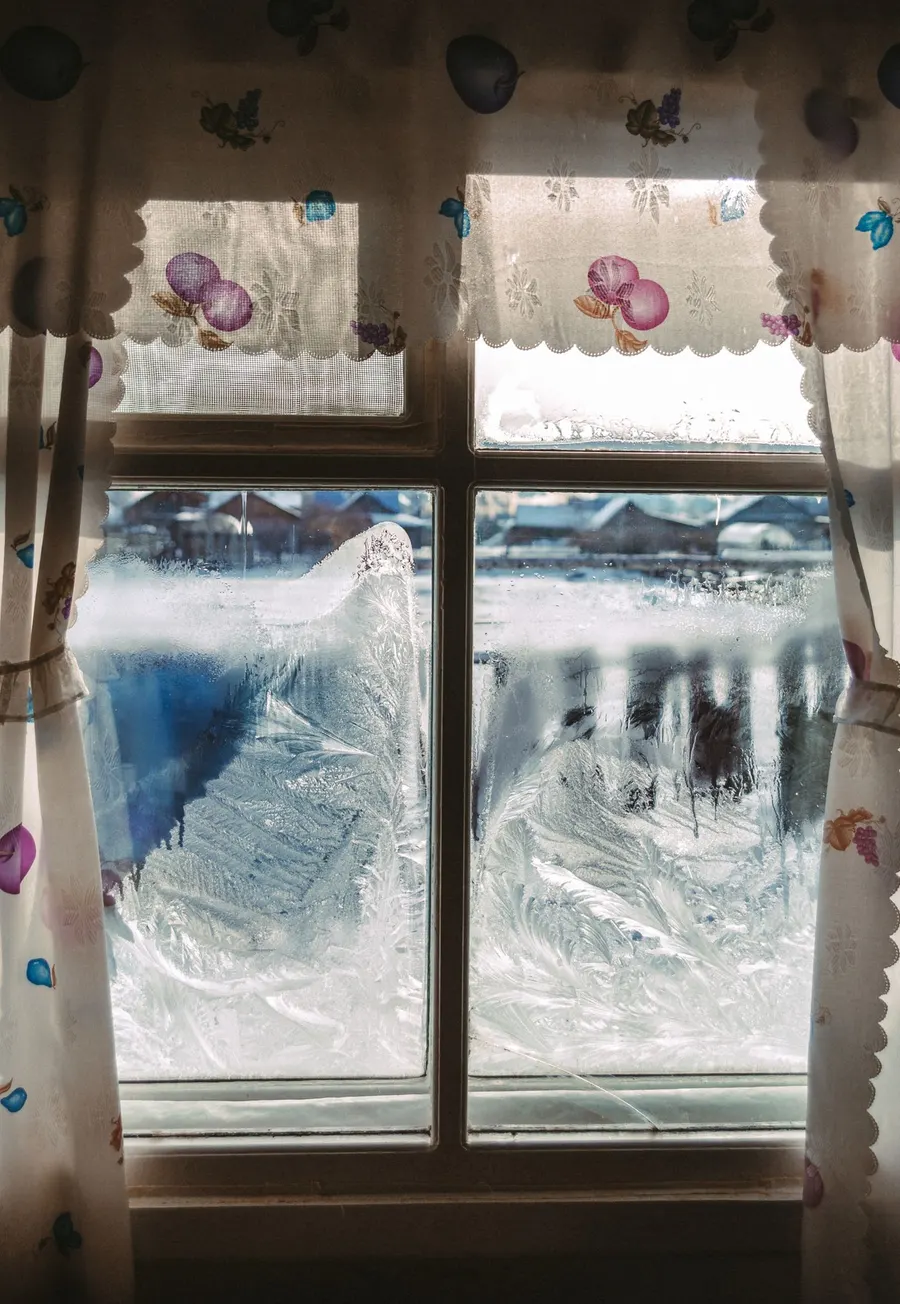
A room with big windows or several outside walls loses heat faster than an inner room. The DOE's cold-weather window tips are cheap: close the curtains and shades at night to block cold drafts, open them in the daytime to let in the sunlight, put tight-fitting insulating shades such as cellular shades on windows that still feel drafty, or apply low-e film on the inside of the glass.
On the insulation side, the DOE's order is to finish the air sealing first and then consider whether you need more insulation in the walls, roof and foundation. Outside walls and the attic above the room are the places to check.
Cause 7: Is the heating system itself the limit?
Sometimes the house is sealed and the vents are clear, and one room is still behind. The DOE's answer for that situation: if the attic has enough insulation and proper air sealing and the home still feels drafty and cold in winter, the heating system may not function properly, or the exterior walls may need insulation. That is a bigger project, and it is where many people stop and ask a simpler question: can I just warm this one room?
What is a 10-minute check to find your cause?
- Look at the vents and radiators. Move anything that covers them.
- Open the door. If the room warms up, the return air is the issue.
- Do the smoke test at the windows, door and outlets on a windy day.
- Put your hand on the floor and the outside wall. If they feel much colder than the other rooms, think insulation or a cold space below or beside.
- Close the curtains at dusk and compare the room the next morning.
Fix what you find, and give it a few days. For many rooms, that is the whole story.
When does a plug-in heater make sense for the cold room?
When the room is the exception, not the rule. Insulating a floor over a garage or rebalancing the ducts can take weeks and a contractor, while a plug-in heater takes a minute and warms the room you are actually in. It also means you do not have to turn the whole house up for one cold room. The central heating comparison shows when that kind of zone heating pays off, and the placement guide shows where to put the heater so the warmth reaches you.
For a closed small or medium room, the Heatoor suits this job: a plug-in PTC ceramic heater with a remote, a timer, and overheat protection with automatic shut-off, so you can warm the room before you go in and let the timer take over. It needs no installation, and a wall-mount kit is included if you would rather have it off the floor.
Size matters as well: the small-room heater guide has the watts per room size, and the electricity guide shows what a heater costs per hour. If the room is your bedroom, the pre-warm routine covers the timing. Once the room is warm, you may find the air feels drier, and the dry-air guide has easy fixes. For the full details on the model above, see Jenny's Heatoor review.
Frequently asked questions
Why is one room in my house always colder than the others?
Because it loses more heat than it receives. The common causes are drafts around windows and doors, blocked vents or radiators, leaky or disconnected ducts, a closed door with no return air path, a cold space under or beside the room, and thin insulation. Check the vents, the door and the drafts first, since those fixes cost little.
How do I make a cold room warmer without turning the heat up for the whole house?
Fix the cheap causes first: uncover the vents, seal drafts with weatherstripping and caulk, and close the curtains at night. If the room still lags, a plug-in heater with a thermostat and a timer warms just that room while the central thermostat stays where it is.
Why is my bedroom colder than the rest of the house?
Bedrooms often keep the door closed, which can limit the return airflow, and sit on outside walls with windows. The DOE lists blocked registers, disconnected ducts and inadequate return air as common reasons for uneven comfort, and drafts around windows, doors and outlets as another.
Does closing a door make a room colder?
It can. A closed door keeps warm air coming in but can block the air from returning to the furnace, which throws off the airflow. The DOE lists return ducts, transfer grilles and jump ducts as fixes, and notes that a gap under the door may not give enough airflow.
Why is the room over my garage always cold?
Its floor sits above an unheated space. The DOE's insulation guide lists floors above cold spaces such as unheated garages, and any part of a room that sticks out past the wall below, as places to insulate. Sealing air leaks first and then adding floor insulation is the long-term fix.
Is a space heater a good fix for a cold room?
It is a good fix for a single room that the house does not reach well, because it warms the space you use without heating the whole house. Choose a heater with a thermostat and a timer, put it on open floor near where you sit, and keep the door closed so the warmth stays in.