
Short answer
Read a dog supplement label in five steps: the full ingredient list, the amount per dose, the wording of the claims, who makes it and whether the company holds the NASC Quality Seal. Then take the label to your vet before the first dose. A clear label does not prove a product works, but it tells you exactly what you are paying for.
This article may contain affiliate links, always to the official websites of the products mentioned. If you buy through one of these links, you support my work at no additional cost to you. This never influences what I write.
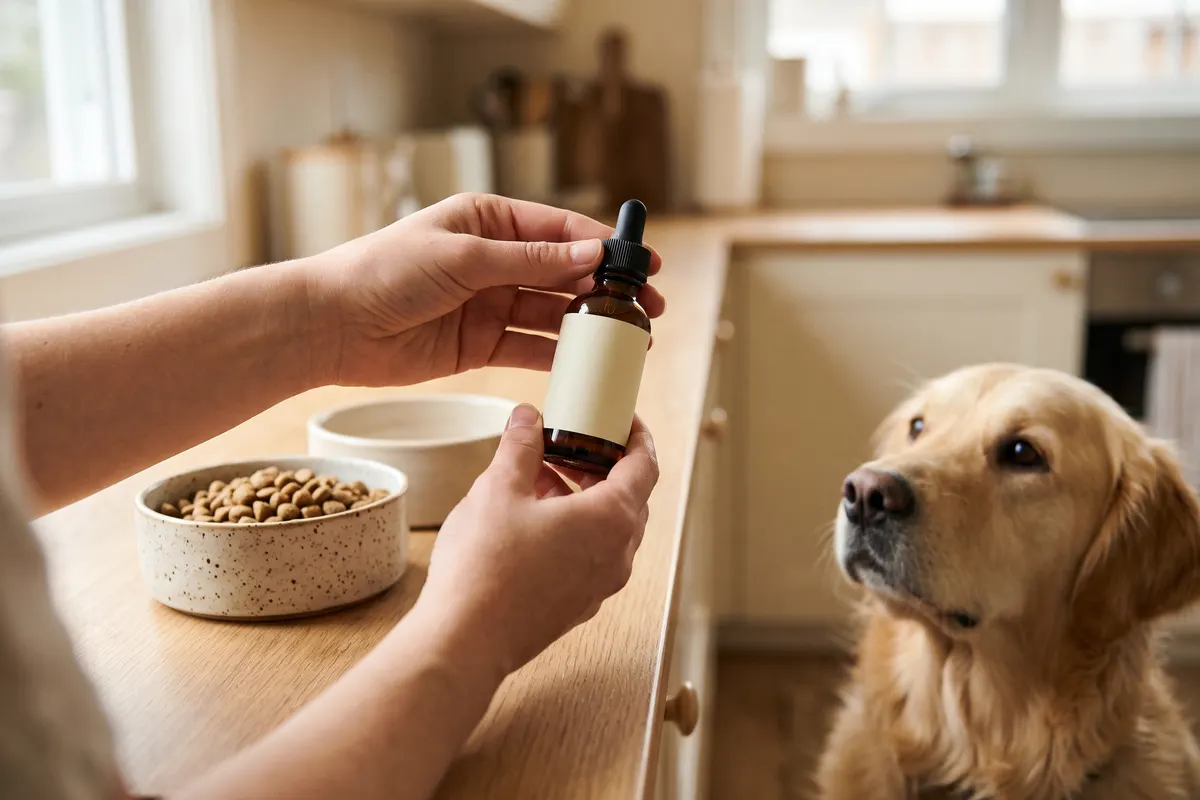
The bottle is on the shelf or on a screen, the front promises a shinier coat or easier walks, and the real information is in small print. Most of us choose by the front. I would rather you choose by the back.
This guide walks through the parts of a dog supplement label, what each one tells you, and what the FDA and the National Animal Supplement Council (NASC) say about them. I use the UltraK9 Pro label as a worked example because the producer publishes its ingredients openly. I am not a veterinarian or an animal nutritionist, and nothing here is veterinary advice.
What should a dog supplement label show?
The FDA regulates animal food, which it defines to include pet food, animal feed, raw materials and ingredients. It also says a food is misbranded if its labeling is false or misleading in any way or leaves out required information, and that the ultimate responsibility for safe and effective products lies with the manufacturers and distributors. In plain terms: the label is the maker’s own statement, so it is worth reading closely.
| Label part | What to look for | UltraK9 Pro, per the producer |
|---|---|---|
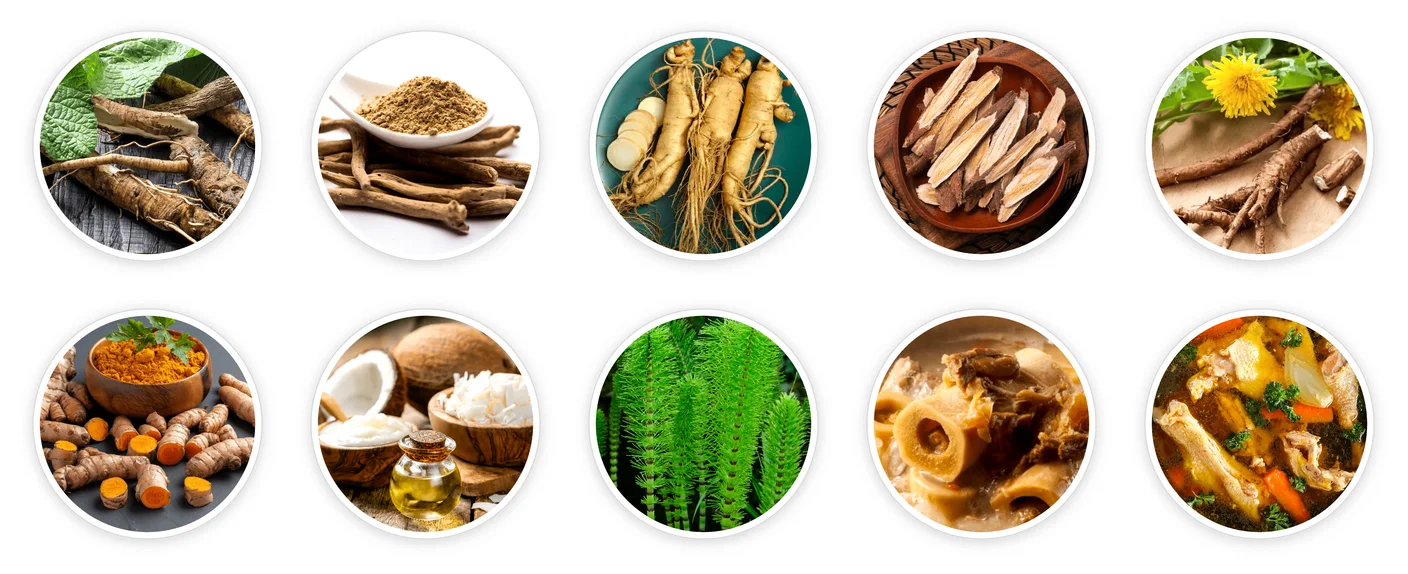
| Ingredients | Every ingredient named in plain words, not only a brand name for a blend. | Ten named: burdock root, ashwagandha, ginseng, astragalus, dandelion, turmeric, MCT oil, horsetail, bovine collagen and chicken bone broth. |
| Amounts | How much of each ingredient is in one dose, or at least the total per dose. | Sold as a “proprietary primal nutrient blend”, with dosing printed on the bottle. |
| Directions | How much, how often and for which dogs (size, age). | Added to the dog’s regular meal with a dropper, once a day. |
| Claims | Careful verbs such as “supports”, not promises to treat or cure. | Three label claims: weight and metabolism, coat and skin, joints and flexibility. |
| The maker | A named company with a way to contact it. | Made in the USA in a GMP-certified, FDA-registered facility, with a 60-day money-back guarantee. |
| Quality seal | The NASC Quality Seal, which you can check yourself. | Check the NASC member list under the company name. |
How do you read the ingredient list and the amounts?
Start with the list, not the front. Three habits help:
- Count the names. A list of ten named ingredients tells you far more than “proprietary blend” alone. UltraK9 Pro names all ten on the official page.
- Look for amounts. A blend can list ingredients without saying how much of each is inside. That is not wrong, but it means you cannot compare two products ingredient by ingredient. When the bottle arrives, check whether the label gives an amount for each ingredient or only for the blend as a whole.
- Check the dose against your dog. Directions printed on the bottle should say how much to give. If your dog is very small, very large, a puppy or a senior, ask your vet whether that dose fits.
The ingredient image on the producer’s page makes the list easy to scan:
What do the claims on the front really tell you?
Claim wording is where labels differ most. The FDA says there is no “dietary supplement” category for animal products the way there is for people: it explains that the human law (DSHEA) does not apply to animal food, and that products sold as supplements for animals are treated either as “food” or as “new animal drugs”, depending on their intended use. So the words a company chooses matter.
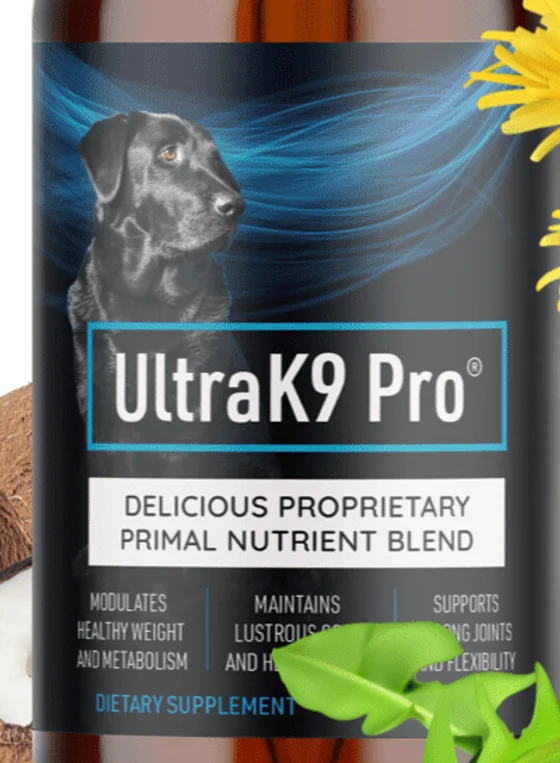
My rule of thumb is simple. Soft verbs like “supports” and “maintains” describe a nutritional role. Words like “cures” or “treats” describe a medicine, and a supplement label should not use them. UltraK9 Pro’s label uses the first kind: it modulates healthy weight and metabolism, maintains a lustrous coat and healthy skin, and supports strong joints and flexibility. The producer also says it is a supplement, not a medicine.
A claim is a statement of purpose, not a result. Whatever the front says, your dog’s response is something only you and your vet can follow over time.
What does the NASC Quality Seal mean, and what does it not?
The NASC is a nonprofit trade organization of companies that make supplements for companion animals, mainly dogs, cats and horses. Its Quality Seal goes only to member companies that pass an independent quality audit and keep up with its requirements, which include a quality control manual, an adverse event reporting system, labeling guidelines and random product testing by an independent lab. The seal cannot be bought.
Two limits are worth knowing. First, the seal belongs to a company, not to every claim on a bottle, and the NASC itself describes the system as industry self-regulation, not a government approval. Second, it says nothing about whether a product works for your dog. You can check any brand yourself: the NASC member list marks audited companies with a green check mark, and being on the list without the check mark is not the same as holding the seal.
The same caution applies to “FDA-registered facility”. That phrase describes the building. It is not an FDA approval of the product, which is why I treat it as one useful fact, not a quality guarantee.
What should you ask your vet before the first dose?
Bring the bottle, or a photo of the label, to the appointment. These questions cover most of what matters:
- Is any ingredient a concern for my dog’s age, size or current diet?
- Does the dose on the label suit my dog’s weight?
- Could it interact with a medication my dog takes, or with a condition my dog has?
- How long should I give it before deciding whether it is worth continuing, and what should I watch for?
In my opinion, that visit matters most when your dog is pregnant, nursing, on medication or has a diagnosed condition, and it costs little compared with guessing.
Where does UltraK9 Pro fit as an example?
It is a useful label to study because the producer opens most of the door: ten named ingredients, three plain claims, a stated manufacturing location and a 60-day money-back guarantee. The proprietary blend means you will want to read the bottle for amounts, and your vet for the dose. My UltraK9 Pro review covers the ingredients, the research the producer cites and the pack prices in detail.
What is a simple checklist to use in the store or online?
- Read the back first. Ingredients, directions and the maker’s name before any claim on the front.
- Count the named ingredients and note whether amounts are given.
- Check the verbs. “Supports” is a nutrition claim; promises of treatment are a red flag.
- Search the maker on the NASC list and look for the green check mark.
- Find the contact details and the refund terms before you pay, not after.
- Show the label to your vet and start only when the answers are clear.
If you also set up a comfortable place for your dog at home, my guides on keeping dogs and cats warm in winter, why dogs bark at night and space heater safety with pets and kids may help. Browse all Vitherma guides or read how I research and write.
Photos: product photos by the producer. Statements on this website have not been evaluated by the Food and Drug Administration. Products mentioned are not intended to diagnose, treat, cure or prevent any disease.
Frequently asked questions
What should be on a dog supplement label?
Look for the product name, the ingredients, directions for use, the intended animal, and the name and contact details of the maker. The FDA says a pet food label is misbranded if it is false or misleading or leaves out required information, and that responsibility for safe products lies with the maker.
Does the FDA approve dog supplements?
Not in the way many owners expect. The FDA says its pre-market review covers animal food ingredients and additives, not finished products, and that products sold as supplements for animals are treated as food or as new animal drugs depending on their intended use.
What is the NASC Quality Seal?
It is a seal from the National Animal Supplement Council, a nonprofit trade group. Member companies earn it by passing an independent quality audit and keeping up with requirements such as adverse event reporting, labeling guidelines and random product testing. The NASC member list shows which companies hold it.
Does the NASC seal prove a supplement works?
No. The seal is about a company’s quality practices. The NASC describes its system as industry self-regulation, and nothing in it is a government approval or proof that a product works for your dog.
What does “proprietary blend” mean on a label?
It means the ingredients are sold as one mix. Some blends list every ingredient but not the amount of each. When you read a blend label, check whether amounts are given per ingredient or only for the whole blend, and ask your vet if the dose suits your dog.
Does UltraK9 Pro name its ingredients?
Yes. The official page names ten: burdock root, ashwagandha, ginseng, astragalus root, dandelion root, turmeric, MCT oil, horsetail, bovine collagen and chicken bone broth. The producer sells them as a proprietary primal nutrient blend, with dosing printed on the bottle.
Should I talk to my vet before giving my dog a supplement?
Yes, especially if your dog is on medication, is pregnant or nursing, or has a diagnosed condition. Bring the label so your vet can check each ingredient and the dose.
Is this veterinary advice?
No. This guide summarizes what the FDA and the NASC publish, plus the producer’s own statements about UltraK9 Pro. I am not a veterinarian or an animal nutritionist.